Leaders in pharmacology education: from primary school to professional training
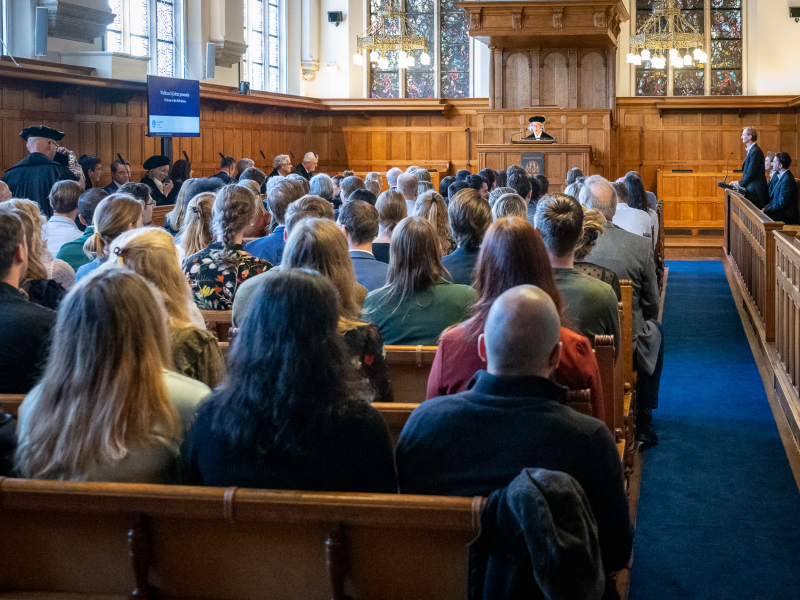
CHDR is increasingly approached by external organisations asking for input on education or seeking to participate in the organisation’s educational activities. In recent years, CHDR’s work in this area has expanded to include creating materials for primary schools as well as teaching university students and professionals.
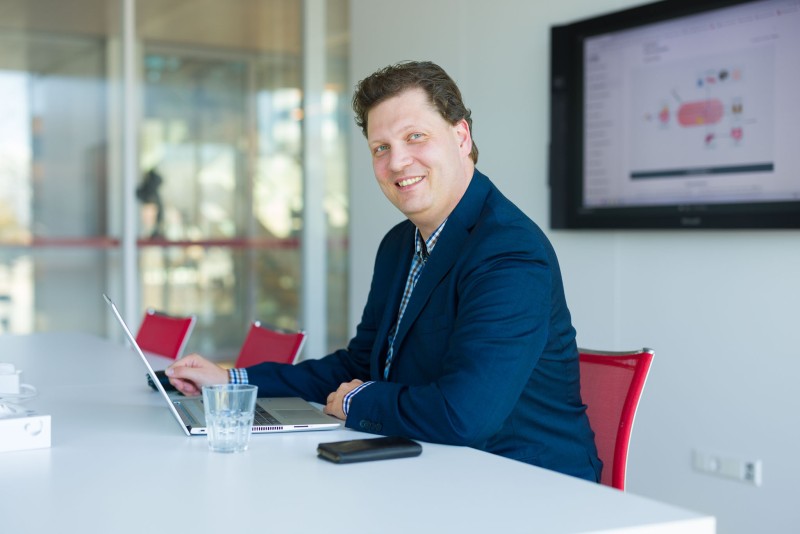
‘Developing people is one of our core strategic goals as an organisation, so it’s rewarding to see that our educational expertise is in demand,’ says Dr Jeroen van Smeden, Education Director. ‘Many CHDR staff members are involved in teaching activities, and our Teaching Resource Centre is used worldwide by students and professionals as a learning resource for pharmacology.’
CHDR’s teaching activities often coincide with the organisation’s other two strategic goals: developing drugs and developing methods. ‘Pursuing these goals requires us to attract and develop talented people,’ says Van Smeden. ‘The certified clinical pharmacology training we provide is followed by many of our own staff members. In addition, student internships offer an opportunity to spot upcoming talent.’ But developing people is also a goal in itself for CHDR. This is realised not only through university teaching and professional training, but also by the contribution CHDR makes to primary education.
[text continues below the photo]
Pharmacology for primary school students
‘ICLON, Leiden University’s Graduate School of Teaching, develops educational content from primary school to university level. Several primary schools had asked ICLON to develop learning resources on medicine, and so ICLON turned to us for help. A couple of years ago we organised a summer programme for kids to learn about the journey of a pill through the body, and now they asked us to develop that into a curricular programme for the oldest primary school year groups,’ says Van Smeden.
The programme describes the journey of medicines from four perspectives: the journey through time (from the ancient Egyptians and the Middle Ages to the present day), the journey through nature (with a variety of medicinal substances, from pitch and honey to various plants), the journey through the body (pharmacokinetics, but in simple terms), and the journey from lab to patient (drug development). Van Smeden: ‘It’s great fun to tell those stories in a way that engages children.’
Central medical ethics committee
CHDR’s education team was also approached last year by the Netherlands’ Central Committee on Research Involving Human Subjects (CCMO). ‘Following the introduction of the new EU Clinical Trials Regulation in 2022, the CCMO is growing, and so is their need for expertise in clinical pharmacology,’ says Van Smeden. ‘So they were seeking clinical pharmacology training for their staff. Of all the institutes in the Netherlands that offer this training, they chose us, which is quite an honour I think!’
Other institutes in the field of drug development and pharmacology in the Netherlands also regularly contact CHDR to train staff or develop teaching modules. ‘It’s our ambition to be a key opinion leader for drug development not only from a research perspective, but also with respect to education,’ says Van Smeden. ‘And we know that becoming a leader is not just about challenging yourself, but also earning that recognition from others.’
Interested in learning more?
More articles from Developing people