Prof. Robert Rissmann: the golden hour of dermatology is just beginning
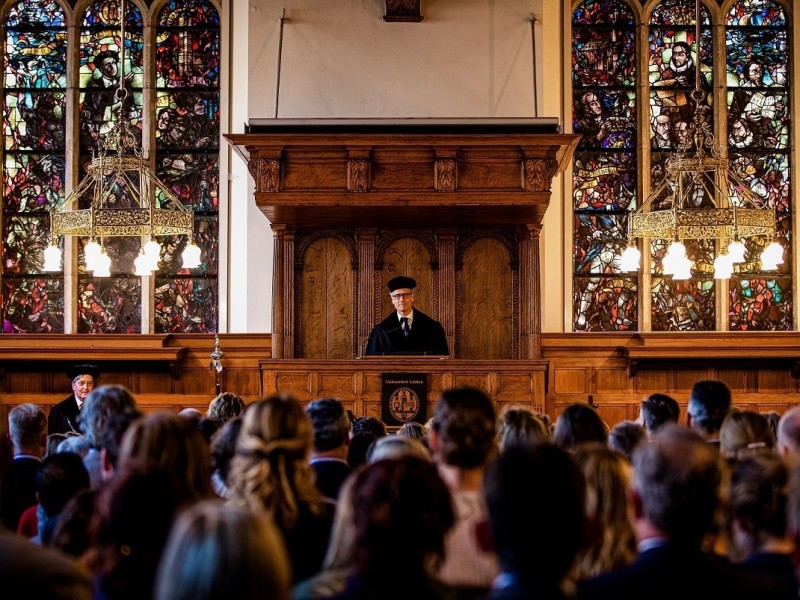
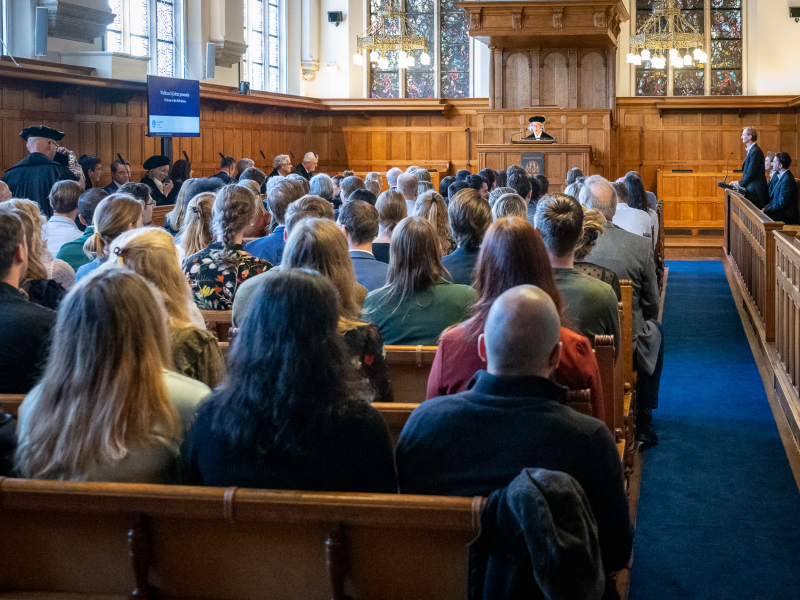
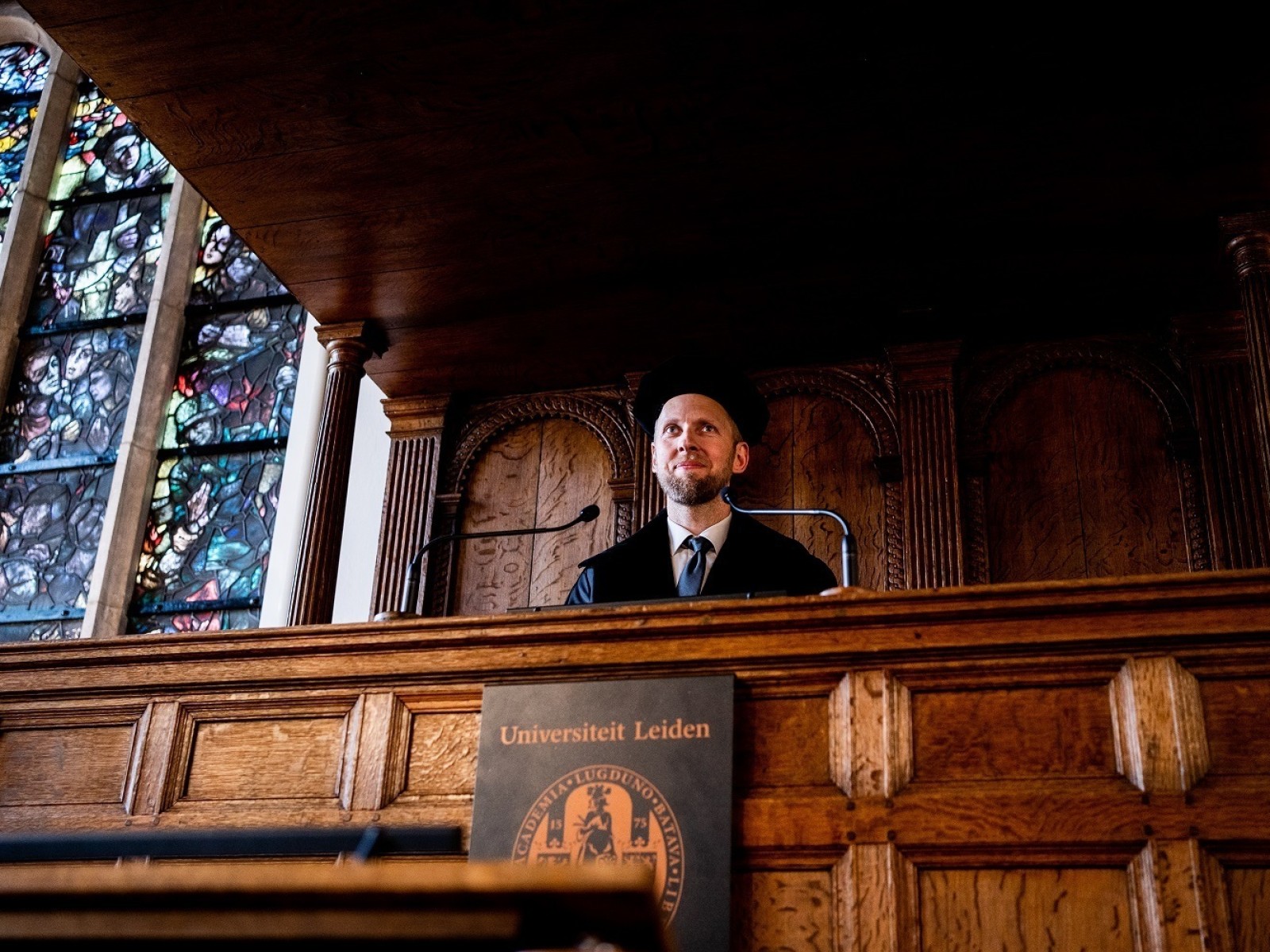
On 8 July 2022, Robert Rissmann, CHDR’s Research Director in Dermatology, delivered his inaugural lecture as professor of Translational Dermatology at the Leiden Academic Centre for Drug Research, Leiden University. In his address, titled ‘The golden hour of skin’, Rissmann spoke persuasively about the importance of dermatology for patients’ quality of life, and urged a multifaceted approach to therapy development in this field. Watch the video below (in Dutch) or scroll down for a summary.
Rissmann began his lecture by drawing attention to the heavy burden that patients with skin diseases must bear, which results not only in low quality of life, but also high social costs due to absenteeism and the need for frequent and long-term medical treatment. Given the impact that skin diseases can have, it is vital that effective treatments are developed. In this regard, translating in vitro results and animal models to humans is a major hurdle. In Rissmann’s words, ‘there is a big discrepancy between laboratory findings and results in patients.’
Rissmann then introduced his area of expertise, translational dermatology (with a humorous nod to the role of translation in his own life, as a German with a French wife, working in the Netherlands and using English most of the time). The field of translational dermatology is concerned with how the results of laboratory studies are translated into clinical practice. At the same time, Rissmann’s work also includes systematic laboratory investigation of mechanisms identified through findings in the clinic — a kind of back-translation.
Precision medicine
To bridge the gap between preclinical and clinical research, it is essential to consider skin diseases from different perspectives. Rissmann refers to this as ‘deep phenotyping’. This is a multimodal approach, bringing together a range of measurement methods, the patient’s experience, and the clinical view of the dermatologist. This multifaceted perspective is also of great value when evaluating novel treatments. As Rissmann emphasised in his lecture, the measurements used in this approach need to be objective and highly precise in nature.
In closing, Rissmann outlined a vision of personalised dermatological disease profiling via rapid pattern recognition, using technology akin to the algorithms used for machine translation and face recognition. ‘We are getting closer and closer to therapies that are tailored to subtypes of diseases instead of the classical “one size fits all” approach.’
Interested in learning more?
More articles from Developing people