CHDR opened special clinical research unit within the LUMC
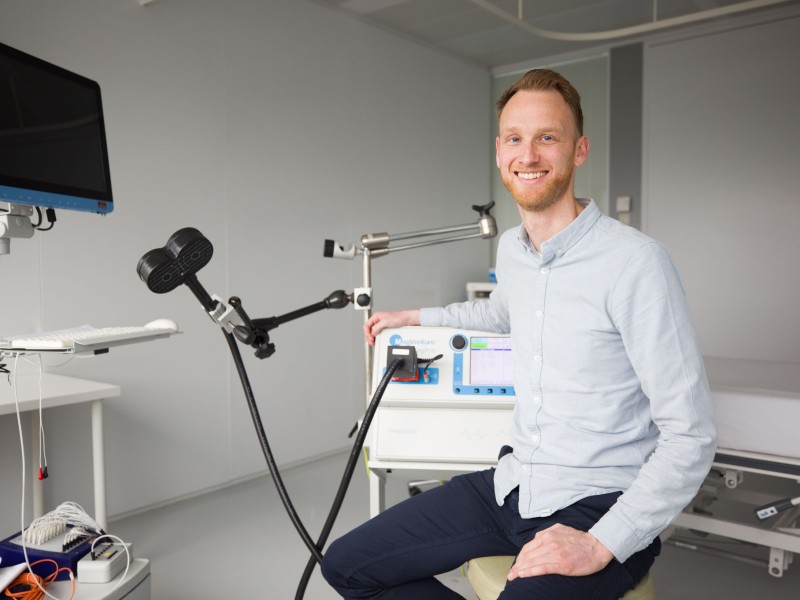
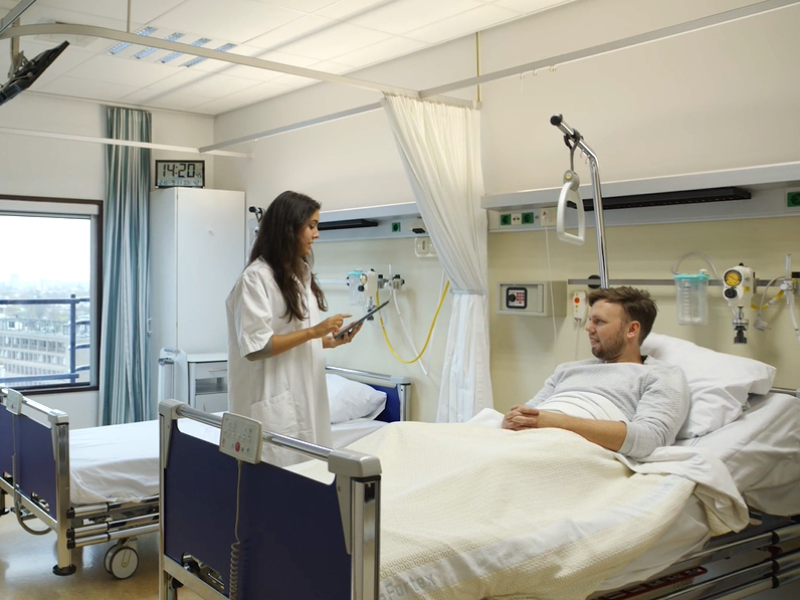
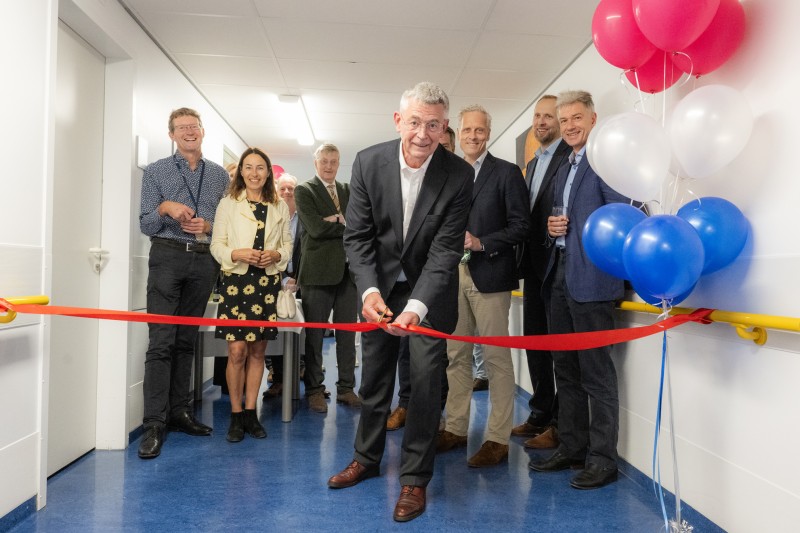
CHDR opened a special clinical research unit in the Leiden University Medical Center (LUMC) building. An initial study mapped the response to therapy of patients with a rare skin cancer.
'This unit in a university medical centre is an important step towards a future in which the traditional phase-based division between studies in healthy participants and patients in early drug development is replaced by a more dynamic approach,' said Prof. Koos Burggraaf, who, as CHDR's CEO, officially opened the new unit on 21 September 2023. ‘We believe that first-in-human and patient studies early in drug development should be bridged to increase the efficiency of drug development. A prime example is using deep phenotyping’. In deep phenotyping, detailed information is used to characterise (subgroups of) patients and their response to treatment.
The opening of the unit is a milestone in the close collaboration between CHDR and LUMC which may also benefit the wider R&D ecosystem of the Leiden Bio Science Park. All groups within CHDR collaborate with clinicians and researchers at LUMC in various ways. The organisations work together in the training of clinical pharmacologists, with staff members from CHDR doing internships in the LUMC and vice versa. The new unit can also be used for research where the proximity of high-quality care facilities is of extra importance, e.g. studies with cancer patients.
Deep phenotyping CTCL
The first study in the new unit could be completed in a record time of four months. A Deep Phenotyping study in 43 patients with cutaneous T-cell lymphoma (CTCL) was conducted by CHDR’s Dermatology group in collaboration with LUMC's Department of Dermatology. 'LUMC is the national referral centre for these malignant proliferations of T lymphocytes in the skin, with manifestations such as mycosis fungoides and Sézary syndrome,' says Prof. Robert Rissmann, Research Director Dermatology. 'This allowed us to rapidly include so many patients with this orphan disease. LUMC's Department of Dermatology conducts research on CTCL and participates in the Next Generation ImmunoDermatology (NGID) consortium. In this study, we characterised CTCL patients with different imaging and biophysical techniques, looking for factors that may predict response or non-response to standard therapy.’ The outcomes are currently being analysed. Several other groups at CHDR already have plans for studies in the new unit at the LUMC.
Interested in learning more?
More articles from 2023 stories