NeuroKit®: developing a portable version of the NeuroCart®
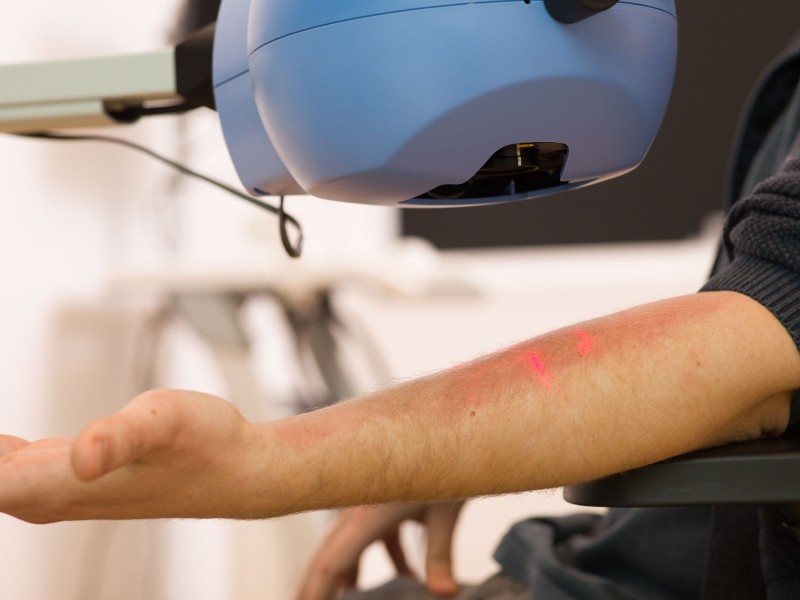
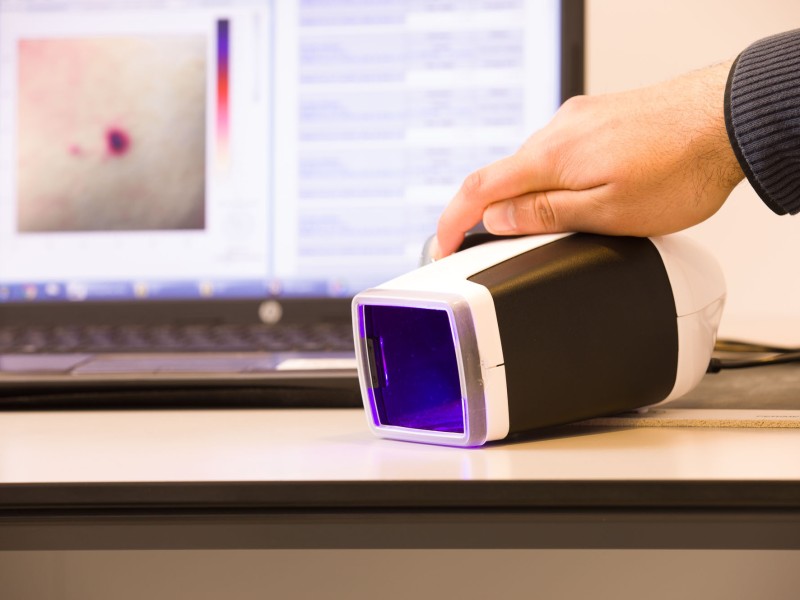
The development of the NeuroKit, a portable version of the NeuroCart®, is progressing steadily. Designed for use at external research sites, it will allow CHDR to extend its CNS drug evaluation expertise beyond its own facilities. CHDR will maintain responsibility for data management and analysis, ensuring consistency with its standards. "We now have a name, a compact design, and are pleased to report that the NeuroKit passed technical validation," says Dr. Vasilis Exadaktylos.
The NeuroCart has long been central to CHDR’s research in central nervous system (CNS) drug development. This validated test battery measures neurophysiological and neuropsychological parameters in a standardised way. Over the past three decades, CHDR has built an extensive database detailing the CNS effects of a wide variety of compounds.
So why develop a portable version?
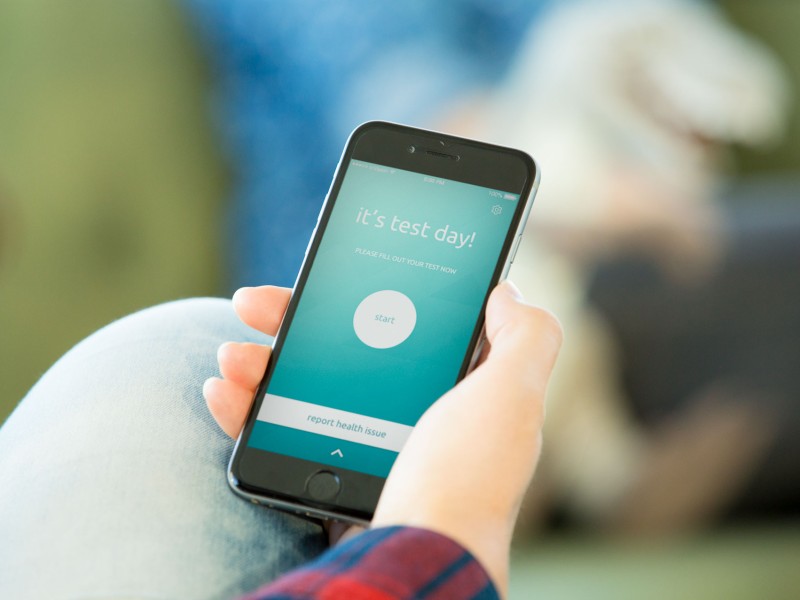
‘We want to support sponsors who, for various reasons, choose to conduct their studies at other locations but still wish to benefit from our expertise in CNS effect measurements,’ explains Exadaktylos, who is coordinating the development of the NeuroKit. 'The NeuroKit makes that possible. It’s designed for ease of use: with minimal training, staff at external sites can operate the system. Data is then securely transmitted to CHDR servers, where our team performs the analysis, using our extensive experience with the NeuroCart.'
Validation studies
To ensure NeuroKit data is directly comparable to that from the NeuroCart, validation is essential. ‘Some elements have been slightly modified,’ says Exadaktylos. ‘For example, saccadic eye movements are now measured using VR goggles, and the hardware differs from the original NeuroCart setup. In 2024, we conducted extensive validation studies to confirm that NeuroKit outputs align with our NeuroCart database.’ The results were well within the range the team hoped for, so they confidently moved to the next step.
In 2025, the NeuroKit will undergo further clinical validation. In this study, participants will receive either a placebo or a drug with known effects on one or more of the seven NeuroCart tests incorporated in the NeuroKit. A successful outcome will pave the way for deploying the NeuroKit at external sites.
Certification
Before full deployment, the NeuroKit must also meet regulatory certification standards in both Europe and the United States. ‘I don’t expect major obstacles here,’ says Exadaktylos. ‘The NeuroKit primarily integrates already certified devices, like tablets. Still, the process must be followed thoroughly.’ He adds: ‘We’ve made impressive progress in a relatively short time—finalising a robust and user-friendly design, which we believe can only be used in the correct way, completing technical validation, and preparing for both clinical validation and certification. We also know there is interest from potential clients. I’m confident that in the coming years, the NeuroKit will allow us to support even more innovative CNS drug development worldwide.’
Interested in learning more?
More articles from Developing methods