A degree in management for the Clinical Research Unit team leaders
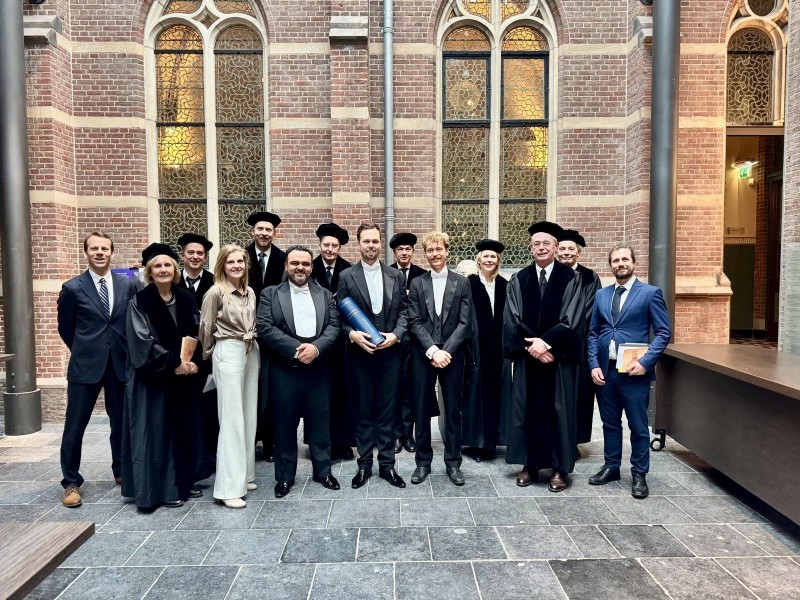
The team leaders at the Clinical Research Unit obtained an associate degree in Health and Welfare Management from the University of Applied Sciences Leiden.
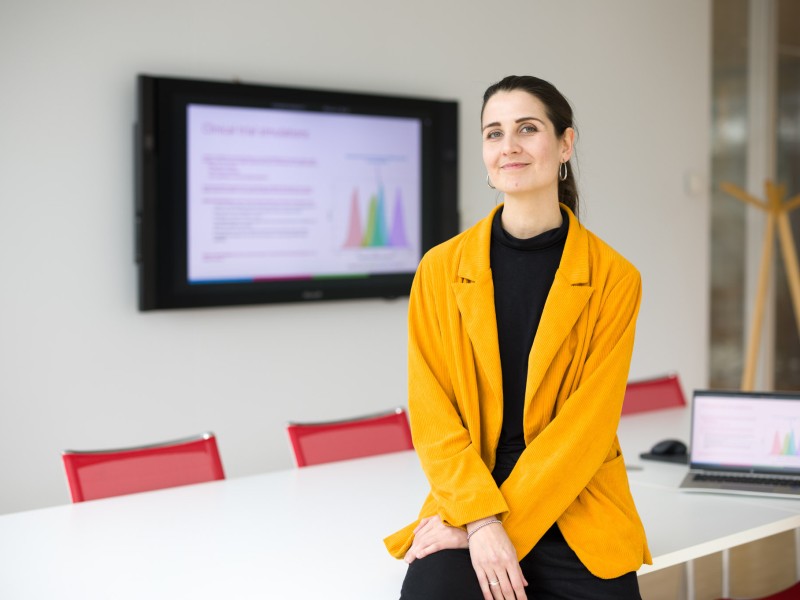
‘It feels good to have the theoretical basis for this position,’ says Doesita Ramkoeber-Bhoera, one of the three team leaders at the Clinical Research Unit (CRU), the operational heart of the organisation. Ramkoeber and her colleagues are responsible for the day-to-day running of the CRU, under the responsibility of CRU manager Debby van Leeuwen.
‘I already had been working as a nurse at the CRU for a number of years when I applied for the position of team leader.’, says Ramkoeber. ‘I was offered the job on the condition that I follow this training, which I did with great pleasure. I welcomed the opportunity to extend the skills I learned in my job and in my previous training as a nurse.’
The team leaders are close to the team they manage. At least one of the team leaders is present at the CRU every day to keep an eye on all activities. Ramkoeber: ‘We are available when our colleagues have questions or if unexpected things happen. And if necessary, for example if a team member is sick and can’t be replaced, we put on our uniform and pitch in. But the most important thing is that we provide leadership, monitor the planning, and ensure that the unit runs smoothly. The knowledge we gained in our training is certainly valuable, for example, knowing when to apply a specific leadership style’.
Tight schedule
Together with Human Resources, the team leaders play a crucial role in recruiting staff. Currently, there is a great demand for nurses in the Netherlands. Despite this shortage, CHDR has been successful in recruiting and retaining nurses, who are crucial to the functioning of the CRU. Ramkoeber: ‘It is important to make clear what the job is about, explaining the difference between working in healthcare and working at the CRU. For example, timing is much more important in clinical research. We are on a tight schedule. And the emphasis is on the study, it’s not about care – most participants are healthy, and even the patients who visit us can mostly take care of themselves. Applicants need to know this, so they can make an informed choice. If the first job interview has been successful, applicants will spend a morning here, so they can get an impression of the daily routine in the unit.'
Efficiency is another important task for Ramkoeber and her colleagues. ’We regularly evaluate which processes we can improve, how we can organise things more efficiently, and which people we need at any given time. Sometimes, for example, the work of a nurse can be taken over by a research assistant. This way, we ensure that our planning is always in order and that we have enough people on hand to do all the work, while maintaining our quality standards.’
Interested in learning more?
More articles from Developing people