Using study participants' feedback to improve recruitment
An online review channel, digital surveys, and a large European study provided new insights into the wishes of study participants. Thanks to the implementation of these insights, study participants gave us a stellar rating and we were able to recruit all studies according to plan this year.
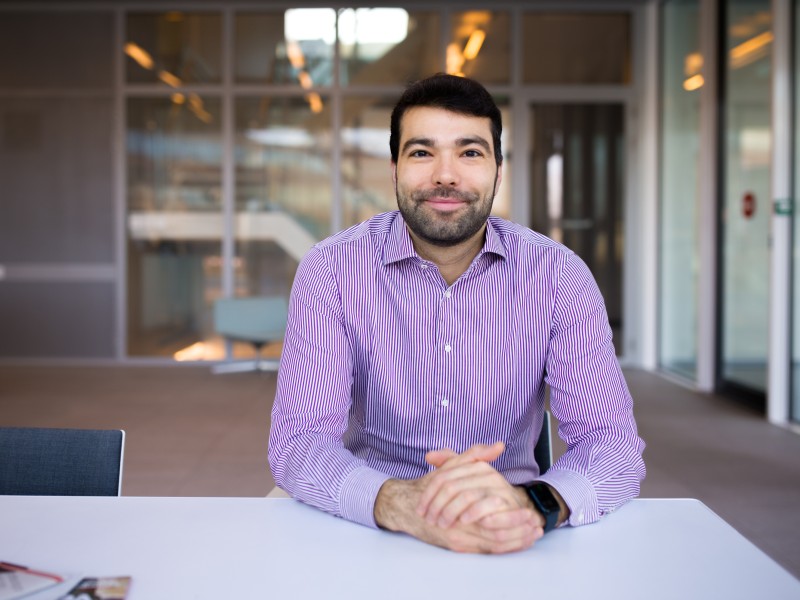
'Study participants are critical for our research', says Dr Maurits Vissers, Head of Operations at CHDR. 'Recruitment of study participants is one of the most important prerequisites for a smooth-running schedule. Our efforts in 2024 focused on feedback from study participants. We received valuable insights, such as the need for a walk or some light exercise.'
Score: 8.9 out of 10
How can CHDR make participation in clinical trials more attractive for healthy study participants? To answer that question, CHDR's recruitment team used several sources. Study participants at CHDR were presented with a questionnaire in which they could name what they appreciated and what suggestions for improvements they had. A sample of CHDR's study participants also participated in a European study, which mapped various variables of healthy participants in drug research. A market survey was also conducted in a sample of the Dutch population to map the reputation of drug research and to look for possible improvements.
Last but not least, study participants at CHDR are encouraged to share their experiences through the independent online review channel Feedback Company. Aniek Wegner (Senior Recruitment Officer) explains: 'Online reviews are increasingly important in the things we do. Someone who considers participating in a study with us can take a look at how others experienced it, and I am quite proud of the reviews we get. We score 8.9 out of 10 and 99% recommend us.' A look at the (Dutch language) feedback page shows that CHDR appreciates the feedback; all reviews are provided with a response.
Insight into impact
A CHDR working group translates the insights from these various sources into concrete actions and examines their impact. Vissers: 'Some comments were easy to translate into concrete actions, such as adding more vegetarian options to the menu or handing out earplugs so people could sleep better.’ Other valuable comments require a bit more organisation, such as providing more information on the results of a study. We were also told that some days were scheduled too full of measurements and tests; we now take this into account in designing our studies. This is in line with the recommendation of national and international organisations, such as the European Medicines Agency, to involve study participants in study design.'
The surveys showed that most study participants are motivated to contribute to scientific research and drug development. This insight is reflected in CHDR’s national campaign ‘Are you going to make impact with drug research?’ which made the connection between everyday actions such as cycling activity and cardiopulmonary exercise testing in drug research.
Planning on track
The primary goal of the campaign is to improve the recruitment of study participants. In this too, Vissers is proud of his team: ‘We were very successful in recruiting study participants in 2024. As a result, we were able to meet our planning, and we could utilise our capacity efficiently. So, we will definitely continue with this approach, in the interest of our clients and of course out of appreciation for our study participants.'
Interested in learning more?
More articles from 2024 stories