Fully prepared for the European Clinical Trials Regulation
On 31 January 2022, the Clinical Trials Regulation (CTR) entered into application in the European Union. For many companies, complying with this new legislation is still quite a challenge, but CHDR is fully prepared and ready to support clients and partners too. In May 2022, CHDR was the first Dutch research organisation to have an application approved under the CTR, using the Clinical Trial Information System (CTIS) online platform.
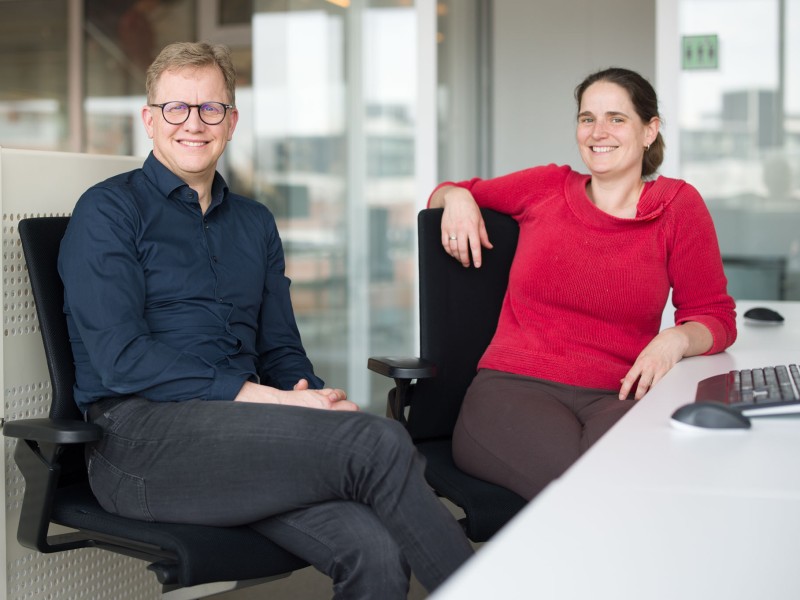
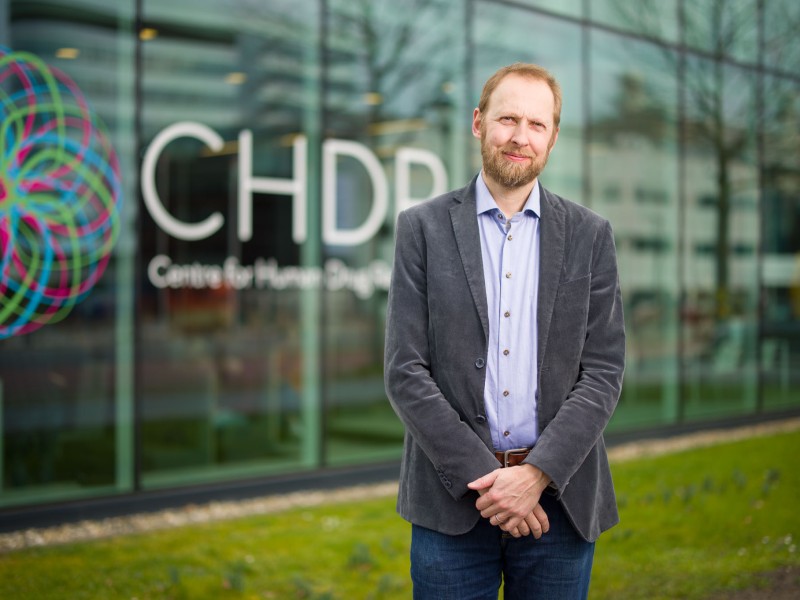
‘We started preparing for the CTR as soon as we knew what was required,’ says Tanja Grobben of the Quality Assurance team. ‘We immediately started taking stock of the implications for our own processes and what would change for our clients.’ ‘The whole procedure for submitting a study protocol has changed,’ adds Kristy-Cheryll Riley. As CHDR’s regulatory submission specialist, she is the point of contact for the Clinical Trial Assistants who have to submit protocols. ‘Until now, submitting a protocol was our job as CRO. Once our client had agreed to the protocol content, we could do the rest. Now, the client needs create an account for the study in CTIS and authorise us to enter information. And timing is key: everything has to be completed within a limited timeframe, otherwise the application has to be resubmitted.’
Adjusting procedures and templates
The scientific, operational and administrative processes surrounding a clinical trial are complex and intertwined, so the implementation of the CTR at CHDR affects almost all aspects of the organisation. This was already evident from the initial exploration that Grobben, Riley and colleagues undertook back in 2020. In February 2021, they set up a working group to navigate the transition. February 2022 saw the start of an EU-wide transition period in which applications could be submitted either in the new way via CTIS or in the old way. Already in May, CHDR submitted its first protocol under the new system, which was approved a month later.
‘We had to start in good time to get everything in order. There were a lot of standard operating procedures and templates that had to be adapted,’ says Riley. ‘But it was also fun to do. I felt a lot of support from the organisation — everyone was very interested, and the information meetings we organised were very well attended.’ Staff directly involved in developing and submitting research protocols also received targeted training, based on European Medicines Agency (EMA) materials.
Supporting clients and partners
The working group not only addressed the internal challenges related to the introduction of the CTR, but also optimised the support that CHDR can provide to clients and partners. Riley: ‘The new CTR represents a big change, which is quite a challenge for our clients. Companies that have sponsored many drug development studies in the past now have to get used to a completely new way of doing things. We can facilitate this by guiding them through what they need to do.’
Collaboration partners such as the Leiden University Medical Center also stand to benefit from CHDR’s thorough preparations. ‘Because we’re already experienced with the CTR and CTIS, we were asked to help put together a webinar for researchers in academia and healthcare,’ says Riley. ‘The CTR is a challenge for anyone doing drug research, not least because of technical problems with CTIS, which regularly shuts down partially or completely. But we were already using other EMA systems, such as EudraCT, which also had their share of technical problems. And any new system takes some getting used to. We can’t eliminate all the obstacles, but we can support our clients and partners to make things as smooth as possible.’
Interested in learning more?
More articles from 2022 stories