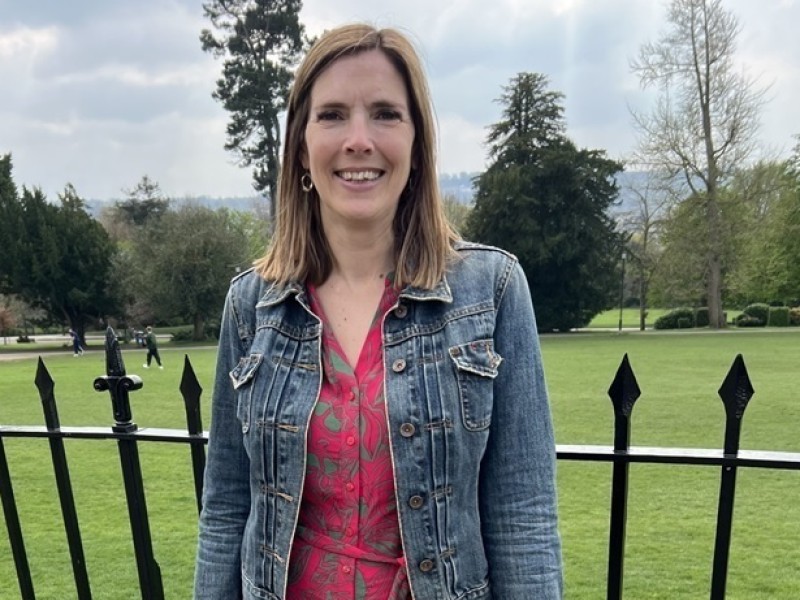
‘CHDR is an active and innovative research partner’ — Dr Peter van der Ark, Janssen
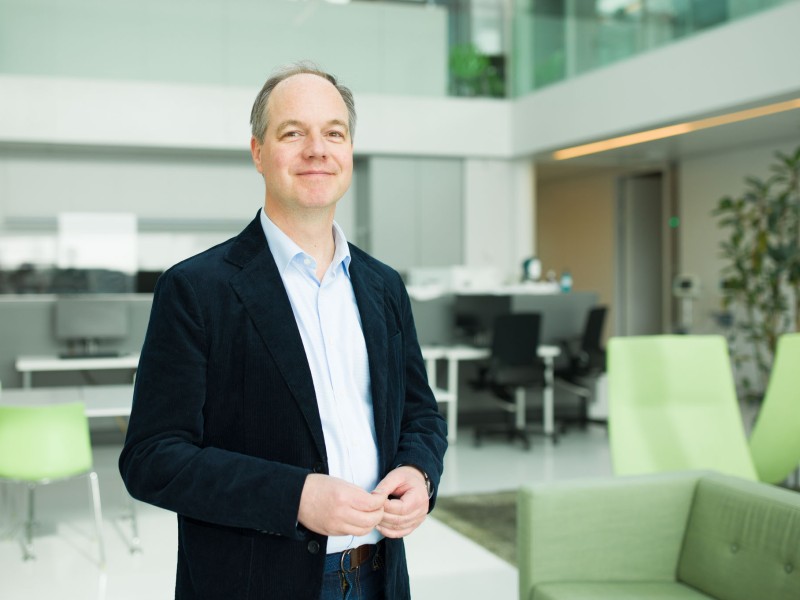
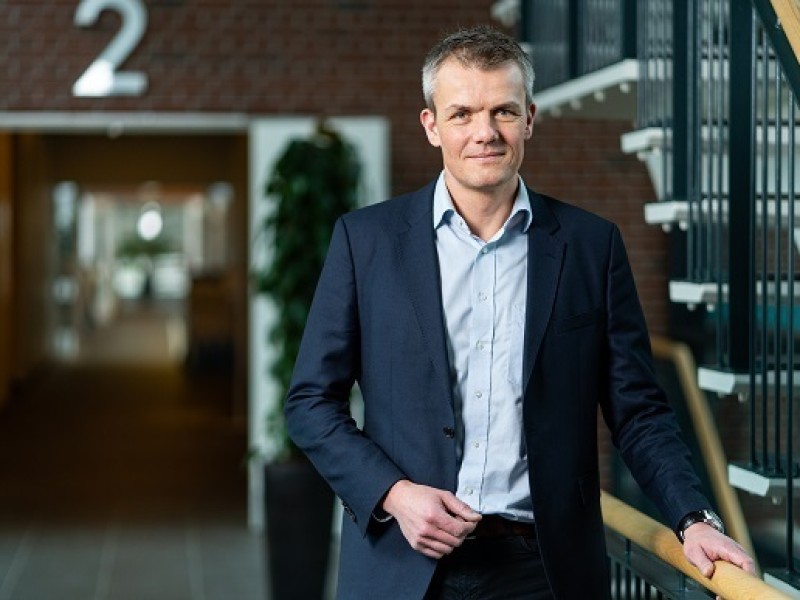
Over the years, CHDR has regularly collaborated with Dr Peter van der Ark from Janssen’s Neuroscience group, based in Belgium. Van der Ark, who retired in 2022, reflects on the dynamic relationship that has grown between his team and CHDR’s Psychiatry group.
‘We used to joke that we were the ones who saved the company lots of money,’ says Van der Ark. Within Janssen Neuroscience, he headed a team responsible for the early clinical phases of drug development — an area of focus similar to that of CHDR. ‘Compared to phase 2b and phase 3 trials, first-in-human studies and initial small-scale patient trials are relatively cheap. That means that if you can detect potential issues with a compound early on in clinical development, you can save a lot of unnecessary expense.’
Brainstorming and innovation
‘We always approached study design as a team. We would often go to Leiden to brainstorm with the neuropsychiatry experts at CHDR: Gabriel Jacobs, Joop van Gerven and Rob Zuiker,’ says Van der Ark. ‘These were open-ended conversations about the pharmacology of novel compounds with little-known targets. We discussed the relation of such targets to CNS function, trying to define potential human biomarkers to reliably demonstrate pharmacological effects in both healthy volunteers and patients. We also shared ideas about the potential indications of such compounds in neuropsychiatry. I often asked them: what path would you take in developing this new compound? And regardless of whether we agreed or not, those were always interesting conversations.
‘CHDR’s CNS researchers have extensive experience with a wide range of both novel and registered CNS active compounds, so they were able to identify similarities and differences between our new compounds and other molecules that they had studied previously. Our brainstorming sessions were informed not only by scientific expertise but also by experience, which added a great deal of value in the design process.
‘Something I really appreciate about CHDR is their constant quest for new methodologies to demonstrate drug effects. Their repertoire has really evolved over the years — for example, we’ve seen the NeuroCart® grow from simply a set of measurements into a sophisticated computer-driven testing suite. During our collaborative exchanges, our team also suggested methods that have since become part of CHDR’s regular repertoire, such as the CO2 challenge for investigating anxiolytic effects of novel compounds in healthy volunteers.’
Challenging times
Around a decade ago, the development of new compounds in neuroscience almost ground to a halt. Some pharmaceutical companies even decided to divest or spin out their neuroscience divisions. Van der Ark: ‘For Janssen, that was never an option. Neuroscience has always been one of the main pillars of our company, ever since the development of haloperidol in the 1950s. We also saw it as a moral duty, given the great unmet medical need in psychiatry. But of course these were difficult times for us as well, with very few new compounds being developed.’
Things changed around 2018, when a few promising compounds started to emerge with the potential to contribute to safer and more effective treatments for mood, anxiety and trauma-related disorders, particularly depression. ‘These are agents with a completely new pharmacological mechanism of action, not just an extension of existing agents that target the serotonin and noradrenaline systems,’ says Van der Ark. ‘There has been very little progress in the treatment of depression in the past half century since the development of SSRIs and SNRIs. Meanwhile, the prevalence of depression has risen, and there’s a significant proportion of patients who don’t respond adequately to treatment.
‘One of our new compounds, which we also worked on together with CHDR, acts on the orexin-2 receptor. Orexins are involved in sleep, but I think there is a strong interrelation between psychiatric disorders such as depression and disorders in sleep and biological rhythms. We may see some interesting developments in those areas in the coming years.’
Proactive patient recruitment
‘It’s important to involve patients even in the early phases of drug research, particularly when targeting novel mechanisms of action. Some compounds won’t lead to a detectable signal in healthy volunteers, even though they do address the pathological mechanism in patients,’ says Van der Ark. ‘I always advised the CROs I worked with to take a proactive approach to recruiting patients. CHDR has been quite active in that regard, and as a result, they can provide better continuity between research with healthy volunteers and research in patients.’
New drugs increasingly target specific subgroups of patients with a specific clinical or genetic profile. Van der Ark: ‘Genetic tests are becoming cheaper all the time, so I expect that in the future we’ll also use genetic information to help decide which drugs to prescribe. We’re already seeing the first steps in that direction. Drug development will always be a dynamic field, and CHDR, with its innovative approach, is one of the drivers of progress.’
Interested in learning more?
More articles from Developing drugs