Deep phenotyping patients to improve drug development
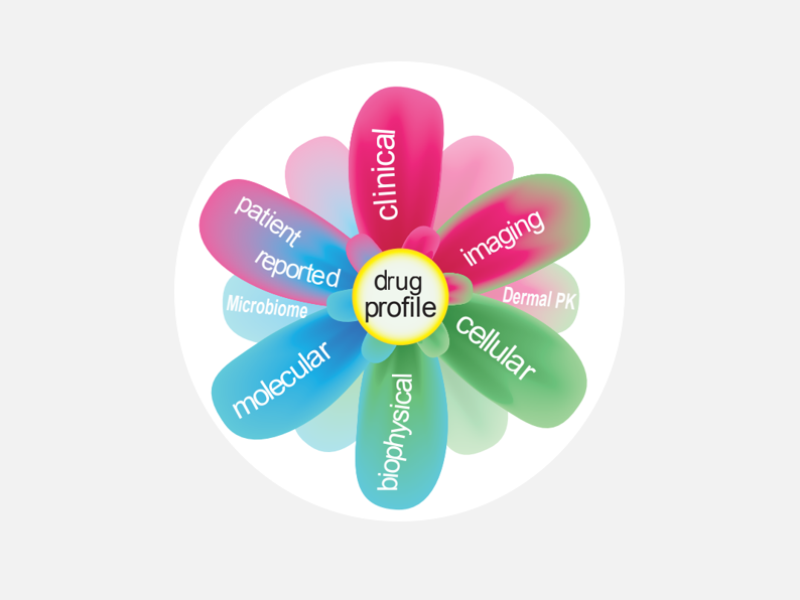
In collaboration with our partners, CHDR will focus on detailed phenotyping of specific groups of patients in the coming years. This will help answer new questions and personalise medicine.
'A phenotyping approach is in a sense the logical progression from our Ready-for-Research concept,' says CEO Prof. Koos Burggraaf. 'Like in Ready-for-Research, we will create well-defined groups to recruit patients from. But deep phenotyping goes much further. We want to start collecting data about patients from the moment they are diagnosed, including their response to treatment. This is now possible thanks to large-scale data analysis. Moreover, patients are more willing to contribute to data collection themselves. In addition, we think the treatment response of patients will give us more insight into differences between patients with the same clinical diagnosis.'
Burggraaf cites a CHDR pilot study showing that a large majority of cancer patients already use apps and other digital tools and are willing to share data with researchers as part of scientific research: 'So the acceptance rate is high, although people do have their personal preferences. Not everyone wants to be confronted with their disease on a daily basis.'
Collaborations
The phenotyping approach is in line with developments in clinical research, including in groups with which CHDR works closely. The Dutch immunodermatology consortium co-initiated by the Dermatology group is a clear example. Several initiatives in oncology use CHDR's Trial@home technology to collect data about quality of life and daily activities from different groups of patients in their daily lives. Burggraaf: 'We are strengthening our network within oncology, led by Dr Co Bosch. And because we have already developed tools to stratify patients, we are also being approached by researchers who want to collaborate with us.' This data is a valuable resource for clinical practice and also adds new insights into the daily effects of therapeutic interventions. 'No doctor can call all their patients every morning to ask about the quality of their sleep, but novel devices can provide objective data every night,' Burggraaf adds.
Several initiatives are underway within CHDR that are closely aligned with this new deep phenotyping concept. For example, the Psychiatry group wants to phenotype patients with mood disorders as a first step towards a more stratified approach to new treatments. The Internal Medicine group, which will start in 2024, will perform a phenotyping study in patients who have just been diagnosed with rheumatoid arthritis. 'By collecting data early in the disease process and then following the response to initial treatment with methotrexate, we hope to gain more insight into possible subgroups in rheumatoid arthritis. The data we collect will help us to better study new drugs for these patients,' says Research Director Internal Medicine Dr Naomi Klarenbeek. And as in the Ready-for-Research approach, these initiatives will help recruitment too.
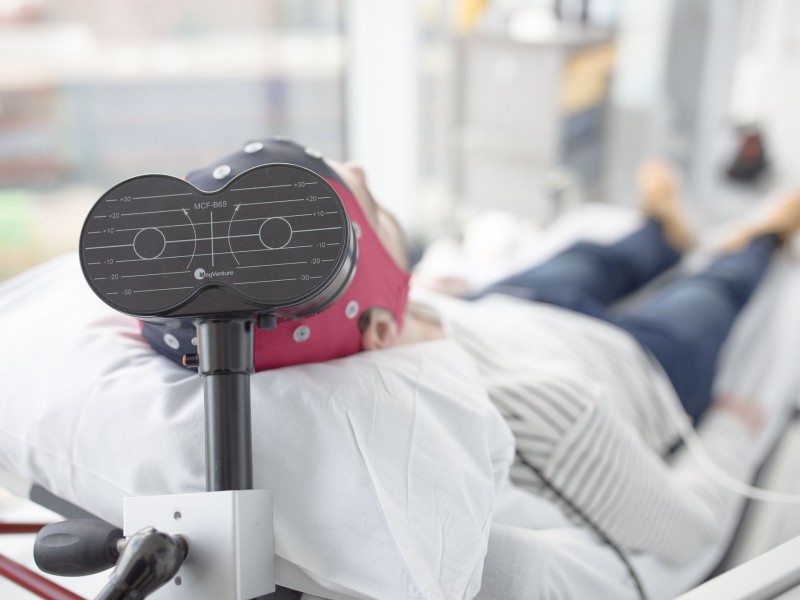
The Pain group, together with Leiden University Medical Center (LUMC), is conducting a study on the effects of medicinal cannabis on chronic pain. As part of that study, 200 patients with neuropathic pain are being profiled at LUMC using a multitude of measurements including a methodology called quantitative sensory testing. 'It is a methodology developed in Germany. The LUMC staff did their training there. Thanks to our collaboration we can build on their expertise,' says CMO/CSO Prof. Geert Jan Groeneveld, who heads the Pain group.
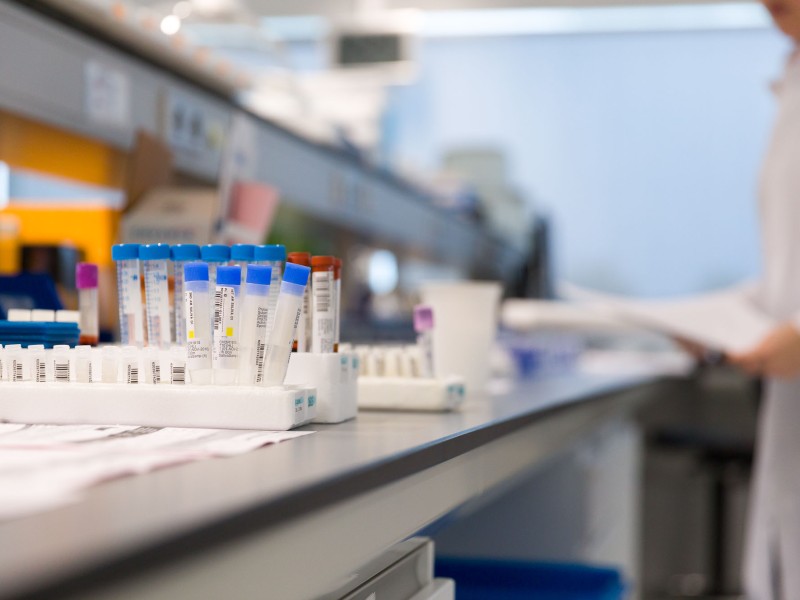
Finally, a relatively simple example of profiling that will enable future research is the Infectious Disease group's plan to screen immunity patterns. Associate Research Director of Infectious Diseases Dr Ingrid de Visser-Kamerling: 'In the blood samples that are routinely collected from study participants, we will screen for immunity to different variants of common viruses, such as influenza virus and RS virus. We need to know what variants we can use in our controlled human infection models. If we administer a virus to test new vaccines or treatments, we do not want a variant that the participant is already immune to.’
As all these examples show, the concept of phenotyping can be used in many ways. In some areas, such as in dermatology, the technique is largely developed within CHDR, while in other areas CHDR uses the expertise of its collaboration partners. 'This is such a broad field; we can never do it alone. But we can contribute with our expertise to bridge the gaps between preclinical, early clinical and clinical drug development and between research and clinical practice,' says Burggraaf.
Interested in learning more?
More articles from Developing methods