Pandemic-proof initiative for infection research
Together with other research institutes, CHDR will contribute to a national centre for infection research. Even in the case of a pandemic, infection research can continue here. Meanwhile, CHDR has set up a dedicated clinical research unit for controlled human infection models (CHIMs).
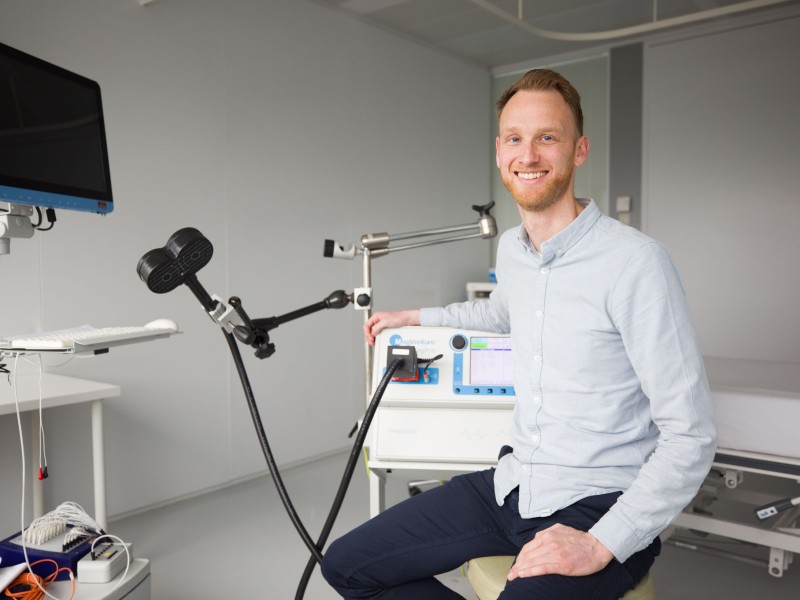
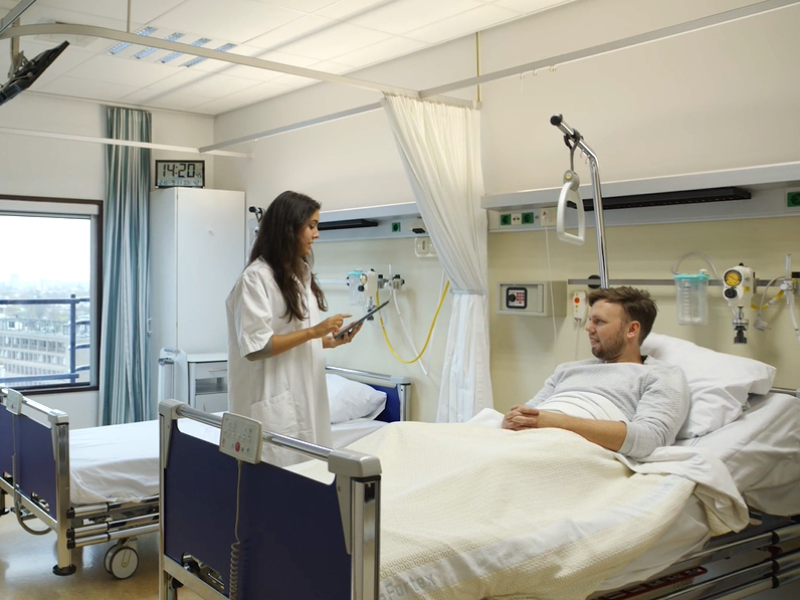
'Together with Professor Meta Roestenberg from Leiden University Medical Center, we have set up an infection research unit,' says Dr Ingrid de Visser-Kamerling, Associate Director Infectious Diseases. 'It was recently opened on the seventh floor of our main building. We will conduct research there on various viral and parasitic infections in the coming years. For example, CHDR will invest in developing controlled human infection models for rhinoviruses, influenza, respiratory syncytial virus and dengue. At the same time, we are working nationwide to set up a centre in which we will join forces with other Dutch infection experts.'
Pioneers in infectious disease control
Dutch universities have several top infectious research departments, working on various infectious diseases including parasitic infections. During the COVID-19 pandemic, they developed a consortium to work jointly on the (early) clinical development of vaccines, drugs and other treatments. De Visser: 'We can benefit from each other's knowledge and offer a joint proposition for companies looking for expertise in early clinical drug development and clinical facilities. For example, in addition to our pharmacological knowledge and the CHIMs we developed with Professor Roestenberg, our Infectious Diseases group also brings experience in collaborating with companies and regulatory authorities.'
The COVID-19 pandemic also showed that scientific research is vulnerable to epidemics and pandemics. 'That is why we now want a joint dedicated clinical research unit, which is not part of a hospital or another research organisation. Especially during a pandemic, we need a unit where we can work on infection research with the highest isolation measures, without putting other patients or subjects at risk.' In early 2024, the national consortium was awarded a major government grant to build this unit. Once established, the unit, like CHDR, will eventually pay for itself by conducting contract research.
Interested in learning more?
More articles from 2023 stories