Immunodermatology consortium at the start of a nationwide observational study
The Next Generation ImmunoDermatology (NGID) Consortium, which was co-initiated by CHDR, is now preparing a large cohort study, the SKINERGY study. The study is patient-centred, and patient organisations therefore play a crucial role in the consortium.
‘We have taken another big step forward with NGID, our national ImmunoDermatology flagship in 2024,’ says Prof Robert Rissmann, Research Director of Dermatology. 'After the official launch in 2023, the seven Dutch university hospitals that are core members have now hired researchers and other staff, including a national project coordinator, a study coordinator and a patient liaison. Patients are at the heart of our work, as they are the ones who ultimately benefit from the knowledge we generate. That’s why we hold monthly meetings with seven patient organizations to discuss our plans and actively seek their input.'
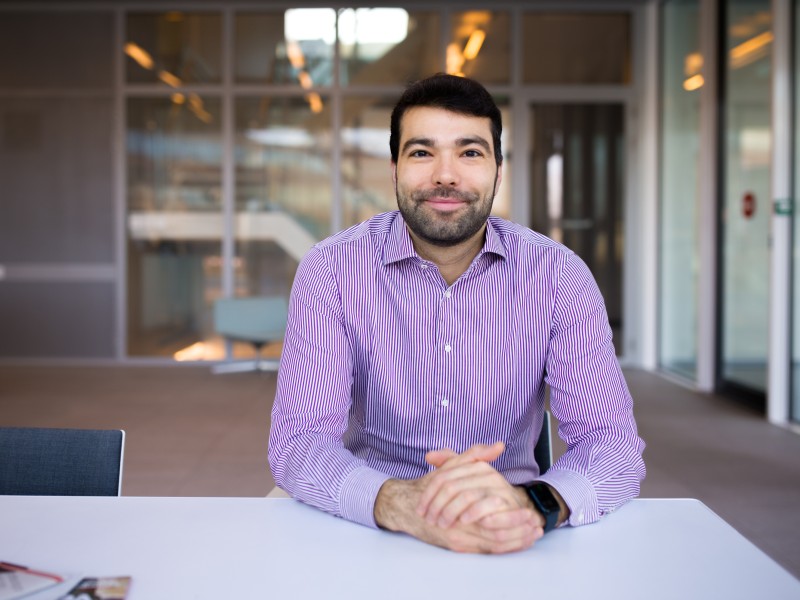
The NGID Consortium meets with the Dutch patient associations for the six conditions that are being studied: eczema, psoriasis, cutaneous lupus, hidradenitis suppurativa, urticaria and cutaneous T-cell lymphoma. In addition, the general Dutch association of skin patients is represented. The interview with Jim van Zon of Psoriasis Patients Netherlands provides a more in-depth view on the role of patient organisations.
Deep Phenotyping
In the consortium, patients with six dermatological conditions will be carefully characterised according to the ‘Deep Phenotyping’ methodology developed by Rissmann's team. This approach uses a variety of angles. For example, cameras and various advanced measurements are used to objectively record the condition of the skin, while additional attention is given to individual variability and factors such as the skin microbiome. ‘In 2025, we will launch our prospective biomarker cohort study, which will run for four years’, says Rissmann. 'In that study, we will follow more than 720 patients, 120 per condition, starting at the time of diagnosis. Throughout the study, we will map skin lesions, and gather a broad range of data related to the patients, their diseases, and the treatments they receive. Biological samples will also be collected, including blood, skin punch biopsies, and swabs. This data will lead to an improved classification of subtypes of diseases and will provide biomarkers that allow us to predict at an earlier stage which patient will benefit from which treatment. Hence, the slogan is: ‘The right treatment for the right patient at the right time.'
Diversity
'The Netherlands is home to people from a wide range of ethnic backgrounds and with varying skin tones', says Rissmann. 'This diversity is crucial, as it allows us to generate findings that are applicable to patients around the world. Our goal is to improve the diagnosis and treatment of immunodermatological diseases globally, using insights gained from this nationally representative Dutch cohort.'
More information:
Next Generation Immunodermatology consortium website: https://ng-id.nl/
Skinergy study website: https://ng-id.nl/en/skinergy-study/
Interested in learning more?
More articles from 2024 stories