UVB pain model explored as a novel tool in immunology and oncology
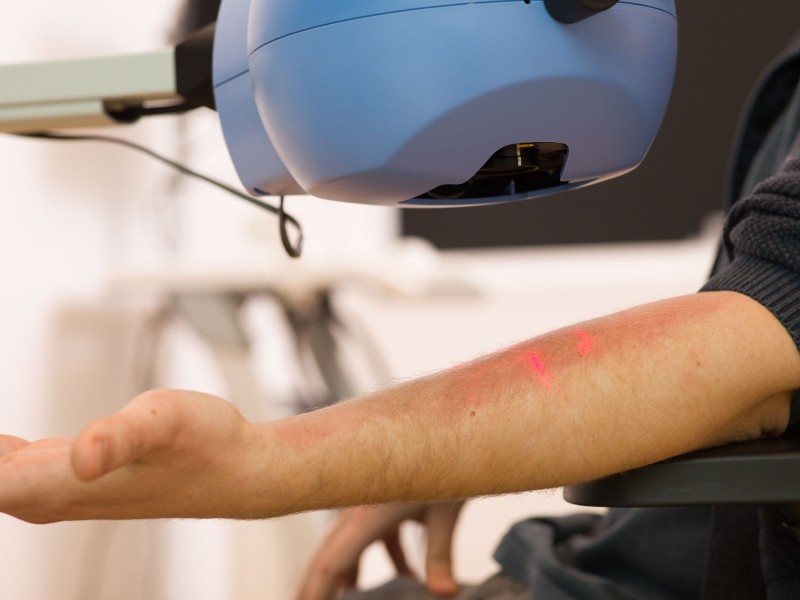
Exposure of the skin to UVB has been one of the pain models of the PainCart® for many years. The procedure is now being investigated as a challenge model for inflammation and DNA damage.
‘We are currently investigating UVB as an immunological challenge model, similar to our well-known LPS, KLH and imiquimod models’, says Dr Matthijs Moerland, Research Director R&D lab and Immunology. Together with Igor Radanović, head of the Immuno-oncology Group, the Immunology Group is working on a study that will map the effects of UVB in detail using various omics techniques, similar to studies with the other immunological challenge models.
Detailed view
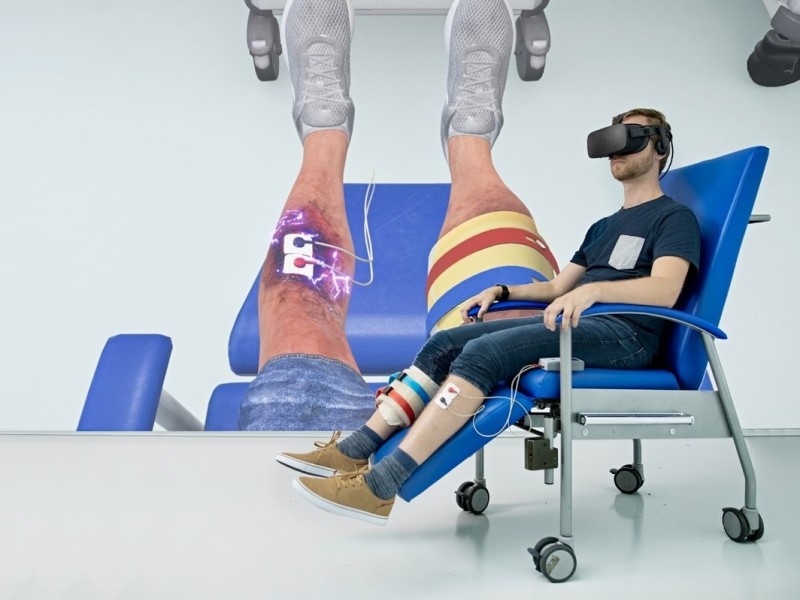
UVB radiation penetrates less deeply into the skin than the regular UVA radiation, which is predominant in the sun's ultraviolet rays. UVB rays therefore mainly damage the outer layers of the skin. For many years, irradiation of an area of skin with UVB has been one of the pain models in CHDR's PainCart. Now, this same approach will be studied as a potential model in immunology and oncology. Moerland: ‘It's another example of how we innovate by building on something we already do well.’
The UVB irradiation setup was modified in 2025 by the Biomarker Engineering and Analytics department. An automated system has been developed to streamline the dosing and the entire workflow.
In the exploratory study funded by CHDR's own R&D fund, Radanović and his colleagues will administer UVB to the skin of 12 study participants and use 4 participants as a control group, to monitor and assess the various reactions in the skin in detail over time. ‘We will use imaging techniques from the Dermatoolbox and take biopsies, in which we will look at gene expression, and also use proteomics and immunofluorescence to look at specific markers which are of interest for immunology and oncology drug development,’ says Radanović.
Radanović and Moerland have high expectations for this approach, as it is already known that UVB causes DNA damage, which triggers the DNA repair machinery of the skin cells. DNA damage also triggers an inflammatory response via the cGAS-STING signalling pathway, which ultimately leads to the release of interferon. Radanović: ‘This pathway is very interesting from an immunological point of view because it is of great importance in autoimmune diseases such as lupus (SLE). In oncology, we are particularly interested in the DNA damage response and cell senescence. There are already oncological drugs approved that exploit the fact that tumour cells have deficiencies in their DNA repair, and many more similar drug candidates targeting DNA repair pathways are entering clinical development. UVB could be a model for investigating the in vivo pharmacology of such drugs in healthy study participants. We are confident that this study will provide us with powerful new tools for the development of new drugs in immunology and oncology.’
Interested in learning more?
More articles from Developing methods