Laying the foundations for faster vaccine development
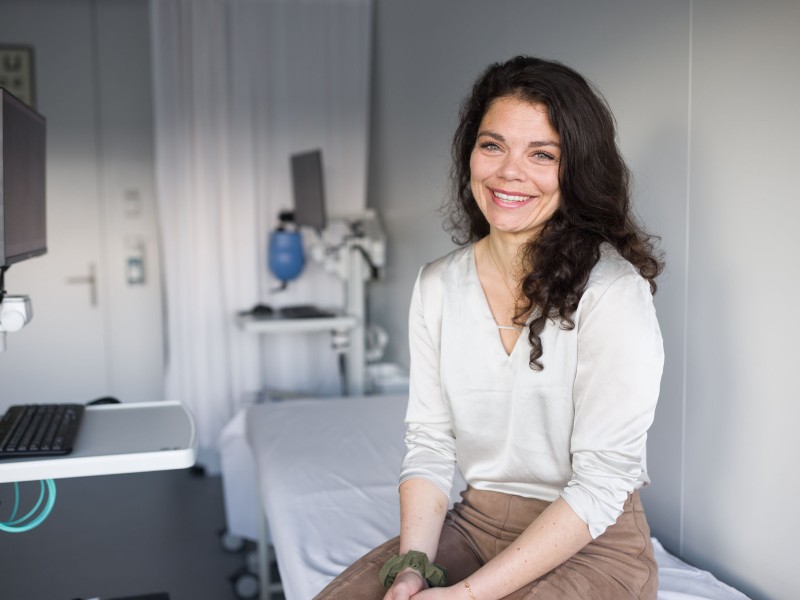
CHDR is part of the European Inno4Vac consortium, in which academic researchers and companies collaborate on faster vaccine development. ‘We contribute by developing clinical models to evaluate future vaccines for RSV and influenza,’ says Dr Ingrid de Visser-Kamerling, Associate Research Director in Infectious Diseases.
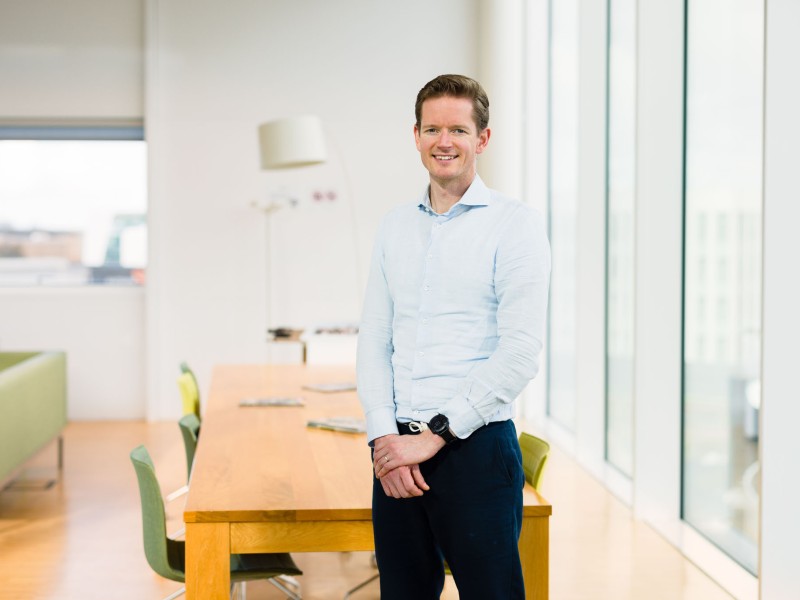
The importance of rapid vaccine development has become abundantly clear thanks to the COVID-19 pandemic. ‘Different partners within Inno4Vac focus on different aspects of this process,’ says De Visser. ‘At CHDR, we focus on the early stages of clinical development. Our pharmacological expertise is complemented by the expertise of Meta Roestenberg, professor of infectious diseases and models of controlled human infection at the Leiden University Medical Center (LUMC).’
The collaboration between CHDR and LUMC in the field of infectious diseases intensified during the COVID-19 pandemic, when the two groups worked closely together to develop drugs and vaccines for SARS-CoV-2. Now that society has more or less gone back to normal, De Visser and Roestenberg once again have time to focus on their long-term strategic goals. These mainly concern developing controlled human infection models (CHIMs) for common infections such as respiratory syncytial virus (RSV) and influenza.
[text continues below the photo]

Controlled human infection models
The first controlled infections of healthy volunteers with RSV and influenza at CHDR are expected to take place in 2024. However, no vaccine or drug will be tested yet. ‘We want to use clinical and immunological readouts to carefully chart the course of the infection. Then, once we’ve validated our CHIMs for these infections, we’ll be ready for clinical trials with vaccines or drugs,’ says De Visser. ‘We know that pharma and biotech companies have a great need for CHIM research. The fact that Inno4Vac is a public-private partnership reflects our common goals.’
Before the clinical study can start, there is still a lot of groundwork for CHDR and its European partners. The selection of virus strains, for example, requires careful consideration. De Visser: ‘Influenza and RSV are common infectious diseases, so every individual has some immunity to these viruses. That makes some strains less suitable for inducing infection. Of course we don’t want our study participants to get too sick, but it’s important that some symptoms of illness do occur — this is what gives us the opportunity to see if a vaccine makes any difference.’
Challenges and rewards
Deliberately infecting healthy volunteers is ethically justified, provided that strict conditions are met. A key condition, of course, is that the volunteers are in good health and do not have any conditions that compromise their immunity. ‘For this reason, we’ll pay extra attention to the immunological health of the participants during screening. In addition, participants will need to be prepared to stay quarantined in the unit during the study,’ says De Visser. ‘Overall, this is an exciting area of research with its own particular challenges and rewards. Together with Prof. Roestenberg, we look forward to the journey ahead.’
Interested in learning more?
More articles from Developing methods