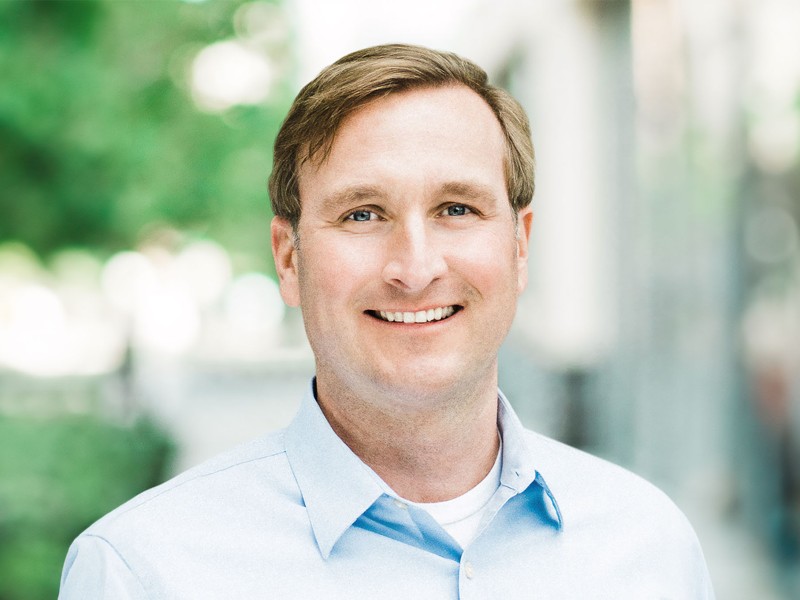
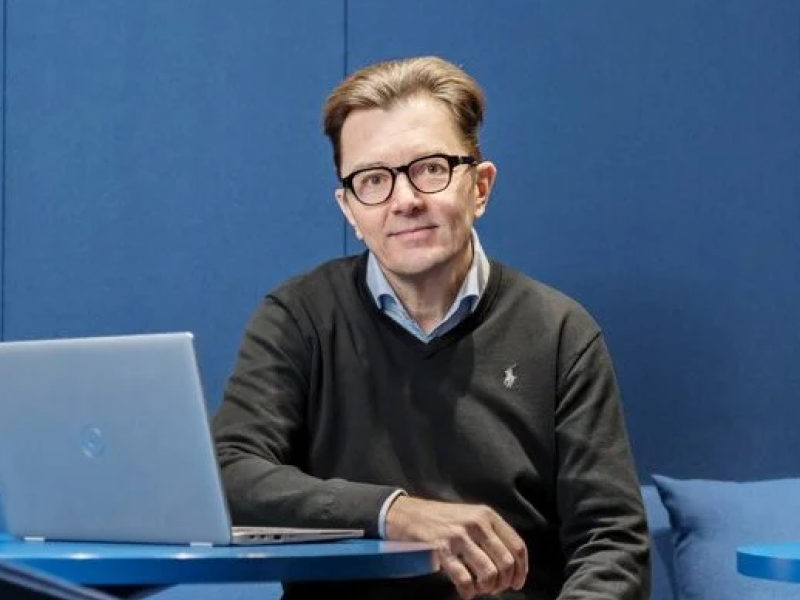
'We ask ourselves: what would give us confidence to take the next step?' - Dr Fabienne Schumacher, Sanofi
To optimise drug development, Sanofi adopted a reflective approach, testing specific hypotheses and taking practical considerations into account. An interview with Dr Fabienne Schumacher, Head Translational Medicine and Clinical Pharmacology Immunology and Inflammation at Sanofi.
How and why did you decide to change your approach to clinical drug development?
The way we proceed from preclinical to clinical drug development has changed gradually over the past few years. We look at every individual project that is about to enter the clinical phase, taking various considerations into account. Sometimes it's best to proceed quickly and conduct lean healthy volunteer studies. But increasingly, we ask ourselves what hypotheses we want to test, early in clinical drug development either in human pharmacology studies in healthy participants or in small patient studies. That's especially true in the area of Immunology and Inflammation, which aims to develop treatments for inflammatory diseases and auto-immune diseases in dermatology, pulmonology, gastroenterology and rheumatology.
The reason why we take this novel approach, which we call “proof of mechanism” is that all preclinical models have some limitations in their translatability. And there are additional factors that make it difficult to predict pharmacology in human beings. Sometimes, a molecule may engage with different targets simultaneously. Biologicals have their own challenges, for example in the context of intravenous versus subcutaneous use. And of course, in immunology, the complexity of the immune system itself may add to the overall unpredictability.
In addition to scientific questions, there are also other considerations we have to take into account when we plan our clinical development process. We need to look ahead to further development and the clinical application of our product. Will we be able to recruit enough patients for the indication we have in mind? What will the timelines be, the clinical endpoints? Will this be the first treatment for this indication, or will there be competition from other products? Posing these questions early on helps us to chart the best route through clinical development.
Your hypothesis-driven approach reminds me of CHDR's 'question-based drug development'. You collaborated with CHDR, didn't you?
Yes, CHDR is one of the CRO's I like to work with in developing new compounds. CHDR is not our only collaborator of course, but it’s certainly an important one. In the past few years, I have had the pleasure of collaborating with Dr Matthijs Moerland and Prof. Robert Rissmann, working on products in immunology and dermatology. And we have plans for future projects as well.
What kind of projects did you collaborate with CHDR on and what did you gain from it?
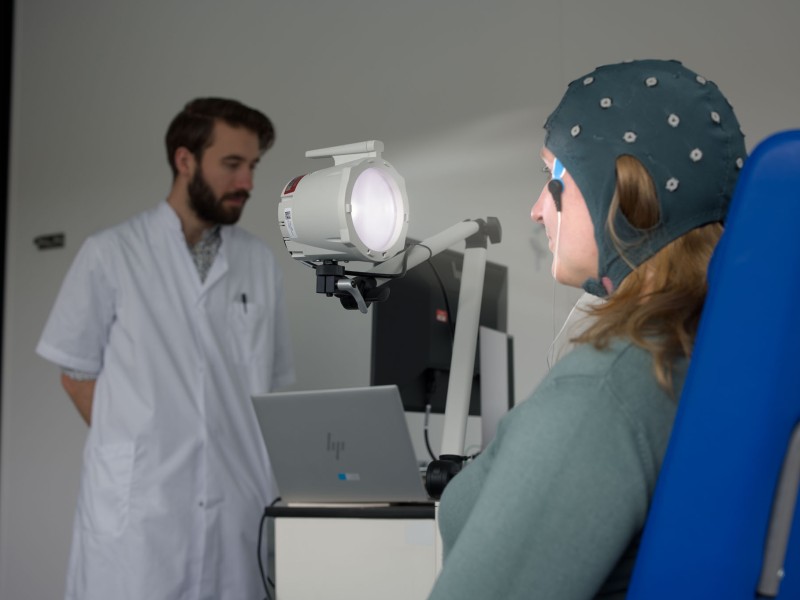
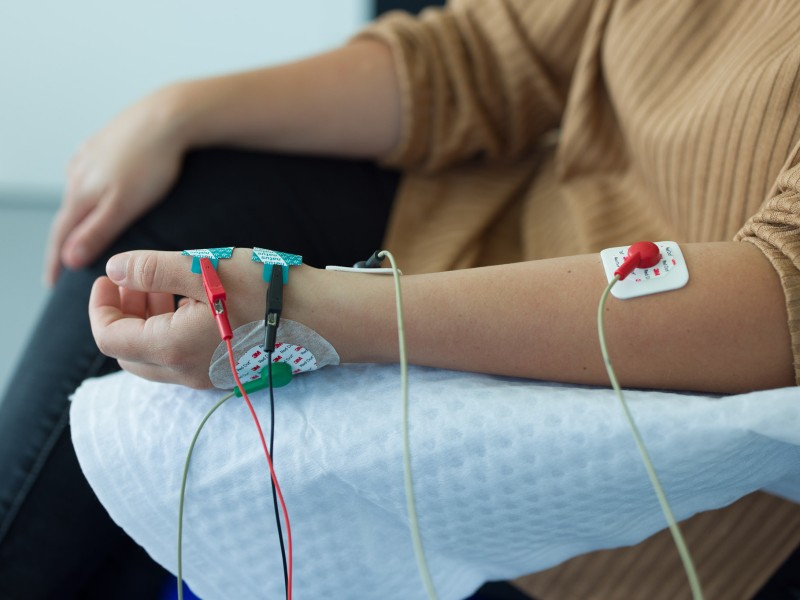
We studied immunomodulatory compounds relevant to the immunology of the skin in pharmacology models in healthy participants. The advantage of the skin is that it is such an accessible end organ. The pharmacology models of Matthijs and Robert provide the possibility to characterise the mechanism of action of a compound early on and in various ways. Some of these models focus on the blood compartment, others on the skin itself. Using biopsies and suction blisters, you can get cells from the skin for RNA sequencing and measure cytokines, which may lead to mechanistic insights. Additionally, CHDR provides options for various readouts of clinical measures at skin level (e.g. blood flow). They are industry leaders in developing such methods, providing us with a comprehensive picture of what's happening in the skin.
Evidence from dermatology research may also be relevant for other indications. It may give us more confidence that our compound could be effective in another end organ which is not as accessible as the skin. Of course, that is no guarantee, and we’d still have to demonstrate pharmacological effects turning into clinical efficacy. However, this may contribute to our decision to further develop such a compound. So the answers we get when we test our hypotheses are valuable tools that help us decide about the next step in developing a compound. We are still learning more and more in terms of operational aspects and outcome variabilities. This is an ongoing process that has been quite successful for us so far.
Interested in learning more?
More articles from Developing drugs