Pharmacology as the cornerstone of a multidisciplinary approach to psychedelic therapies
Developing psychedelic substances for the treatment of psychiatric disorders requires a sound pharmacological basis. Additionally, a multidisciplinary approach is needed to overcome current challenges.
The Psychiatry Group at CHDR, led by Dr Gabriel Jacobs, has gained considerable experience in recent years with pharmacological research on psychedelic 5HT2a agonists such as DMT (N,N-Dimethyltryptamine), novel DMT derivatives and psilocybin. ‘This is really exciting work, not only from a drug development perspective, but also in terms of ensuring the safety and wellbeing of healthy participants and patients’, says Jacobs. 'We need a thorough scientific approach to develop effective psychedelic-assisted therapies, in which psychedelic drugs are applied in combination with psychotherapy. That means demonstrating pharmacological effects and safety using validated biomarkers, both in healthy volunteers and in patient populations. Equally important are biomarkers that can predict clinical improvement—not just for the psychedelic compound itself, but also for the psychotherapeutic intervention it’s paired with.’
To investigate these multifaceted aspects of psychedelic-assisted therapy from a pharmacological and psychotherapeutical perspective, Jacobs and his team collaborate with leading researchers at Leiden University Medical Center, the Unit of Cognitive Psychology of the Institute of Psychology at Leiden University and the Dutch National Psychotrauma Centre ARQ. The aim of the collaboration is to jointly develop a multidisciplinary approach.
Pharmacological profile
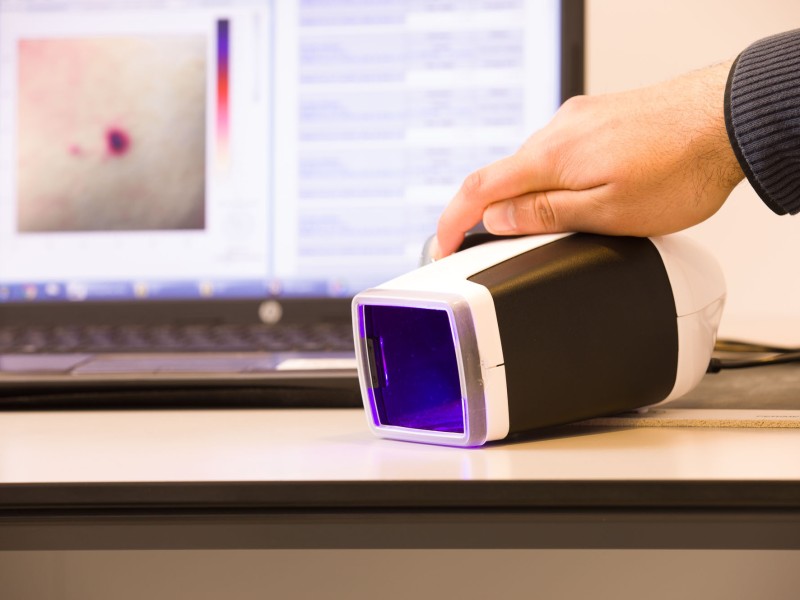
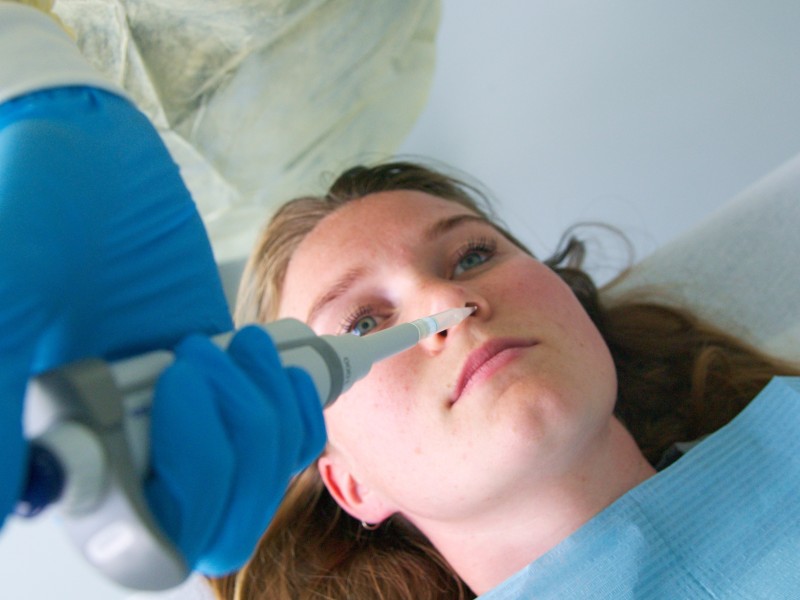
Within this collaboration, CHDR focuses on the clinical pharmacology of psychedelic compounds in both healthy participants and in patients. The aim is to create a database of profiles for various psychedelic compounds, detailing the safety, pharmacokinetics and pharmacodynamic effects. These effects are evaluated by systematically analysing both the subjective experiences of participants and neurophysiological, electrophysiological and neuroimaging biomarkers using the Neurocart®, EEG and functional MRI. Such collection of profiles is expected to provide a reference tool for studying novel compounds.
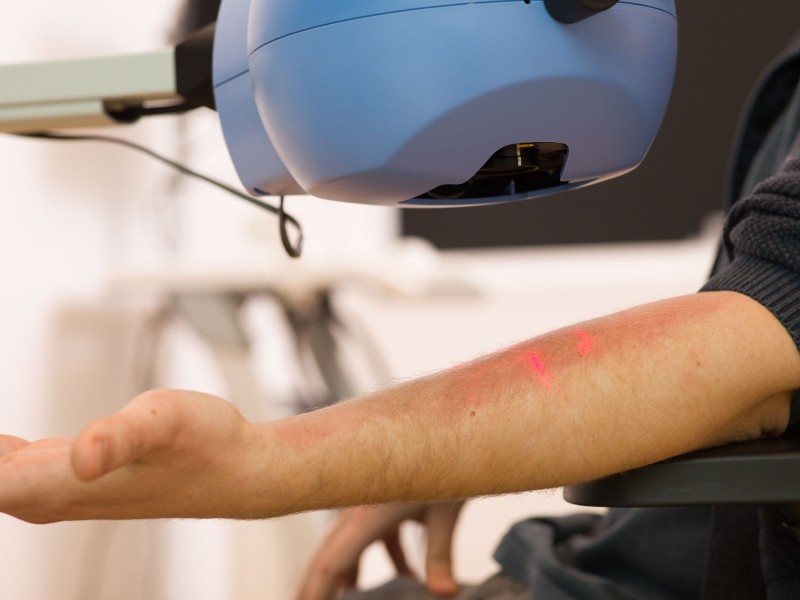
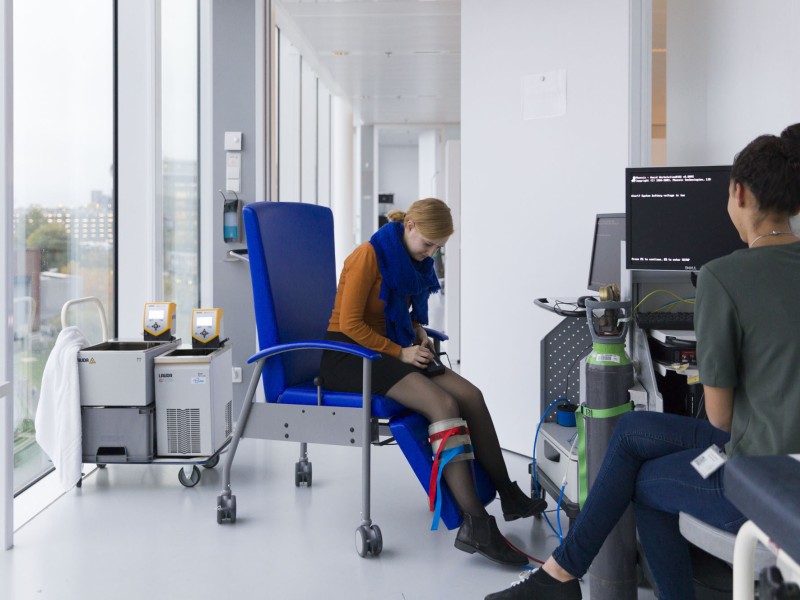
'This kind of profiling approach is central to how CHDR supports drug developers,' explains Jacobs. 'Over the years, we’ve built extensive pharmacodynamic profiles for dozens of CNS-active compounds using the NeuroCart, and similarly with analgesics using the PainCart®. These profiles help bridge preclinical data with early clinical findings, and provide valuable reference points for comparing novel compounds.'
Now, Jacobs and his team are applying this same approach to psychedelics. 'Ultimately, we want to understand how psychedelics with different in vitro characteristics translate into distinct clinical effects. This could help match compounds with specific patient subgroups—and that's the kind of precision psychiatry we aim for,' he says. 'Thanks to our collaboration partners, we’re uniquely positioned at the intersection of pharmacology, psychiatry, and psychology to lead this effort.'
Looking ahead
In 2024, international research into the therapeutic application of psychedelics and similar substances in psychiatry suffered a setback when the US Food and Drug Administration (FDA) rejected the application by Lykos Therapeutics to register MDMA-assisted treatment for post-traumatic stress disorder (PTSD), citing shortcomings in the clinical research. Although MDMA (3,4-Methylenedioxymethamphetamine) is not a classic psychedelic, the case was considered to be a bellwether for the psychedelic paradigm.
According to Jacobs, this setback confirms the importance of a sound drug development approach to psychedelics-assisted treatments. ‘Lykos’ MDMA case in 2024 has shown that regulators demand more insight into the mechanism of action and ask for pharmacological arguments for dose selection. To me as a psychiatrist and clinical pharmacologist, this seems to be a fair position. We need to be able to answer those questions.’
New avenues
An exciting new development is the finding that the subjectively experienced psychedelic effects of 5HT2a agonists may not be essential to their therapeutic effects. Jacobs and his team have recently completed a study with such an 5HT2a agonist. It did not show psychedelic effects, but the team demonstrated resting state EEG changes that were similar to those observed after ketamine or electroconvulsive therapy. ‘So neurophysiologically, we showed that the effects were similar to two highly effective treatments for difficult-to-treat depression’, says Jacobs. 'This unexpected development shows that we still have a lot to learn about the clinical pharmacology of this category of drugs. We are looking forward to contribute to this line of research in the coming years.'
Interested in learning more?
More articles from Developing methods